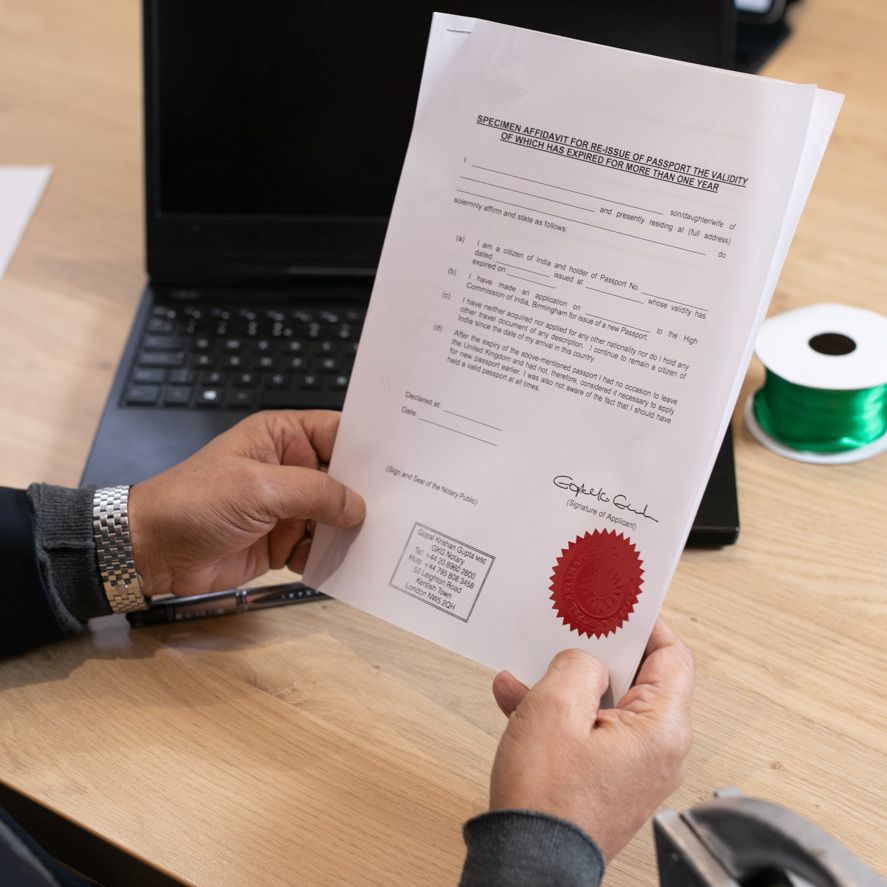

Travelling abroad with your pet: Apostilles, Legalisation & Embassy Attestation

Taking your pet abroad can be an exciting adventure, whether you’re relocating, going on an extended stay, or simply travelling for leisure. However, to ensure your pet enters another country smoothly, you must prepare the correct documents. In many cases, these documents require apostille certification, legalisation, or embassy attestation before departure. Proper preparation ensures foreign authorities can verify that your pet’s documentation is authentic and compliant.
Why Apostilles & Legalisation matter for pet travel
When travelling internationally with your pet, foreign authorities must be able to verify the authenticity of veterinary and ownership documents. The requirements depend on the destination country:
- Apostille: Required for countries that accept the Hague Apostille Convention. An apostille certifies the signature and authenticity of your UK-issued documents.
- Embassy Attestation / Full Legalisation: Needed for countries that do not accept an apostille alone. This process may require:
- Notarisation or certification by a UK Solicitor or Notary Public
- UK apostille certification
- Embassy attestation of the document
Proper apostille and attestation help ensure your pet’s documents are accepted at borders, reducing the risk of delays, quarantine, or refused entry.
Key documents for pet travel
Depending on your destination, the following documents may require apostille or embassy attestation:
- Pet Health Certificate
- Often needs notarisation or certification, apostille, and potentially embassy attestation.
- Vaccination Records
- Some countries require notarisation, apostille, or embassy attestation for proof of vaccination.
- Pet Passport
- Authorities may request it be apostilled or accompanied by attested veterinary documents.
- Proof of Ownership
- Essential for verifying ownership abroad; may require notarisation, apostille, and embassy attestation.
- Travel & Transport Documentation
- Certain destinations require authenticated documents outlining airline approval, transport methods, and animal welfare compliance.
How to ensure your pet’s documents are accepted
- Confirm which documents require apostille certification.
- Check if the destination country requests embassy attestation or full legalisation.
- Ensure documents are notarised or certified if required.
- Prepare all veterinary paperwork well in advance.
- Keep documents unlaminated and securely attached.
- Verify that microchip numbers, names, and details match across all forms.
Proper attention to these details will help your pet avoid delays, quarantine, or denied entry.
Final thoughts
Travelling abroad with your beloved pet requires careful document preparation and authentication. Ensuring your pet’s health certificates, vaccination records, pet passport, and proof of ownership are correctly apostilled, legalised, or embassy attested will provide peace of mind and smooth entry into your destination country.
For help obtaining correctly apostilled or fully legalised pet travel documents, contact our team on +44 203 957 9800 for support with every step of the process, including certification, apostille, and embassy attestation.